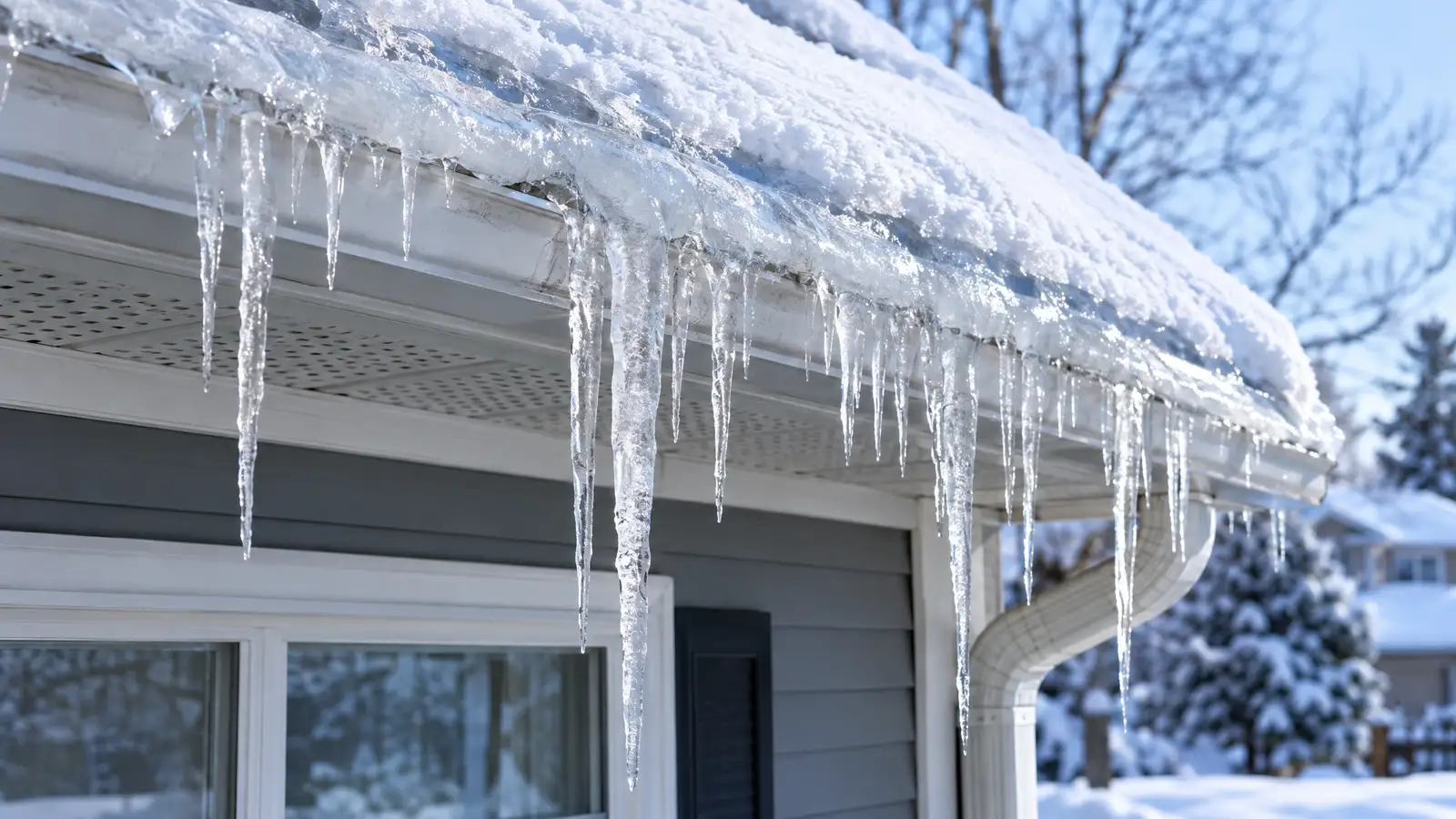
What an ice dam is
An ice dam forms when heat escapes from the house into the attic, melts snow on the roof and the water refreezes at the cold eaves. The ridge of ice traps more melting snow behind it, and water can back up under shingles and into the house.
Wisconsin winters, with deep cold and repeated snow, make ice dams a real risk on roofs that are poorly insulated or poorly ventilated.
Signs to watch for
Long icicles and a ridge of ice along the eaves.
Water stains on ceilings or walls below the roofline, or damp insulation in the attic.
Frost on the underside of the roof deck, or an attic that feels warm and drafty.
What helps
Air sealing and extra attic insulation keep warm air out of the attic. Proper ventilation keeps the roof deck cold and even.
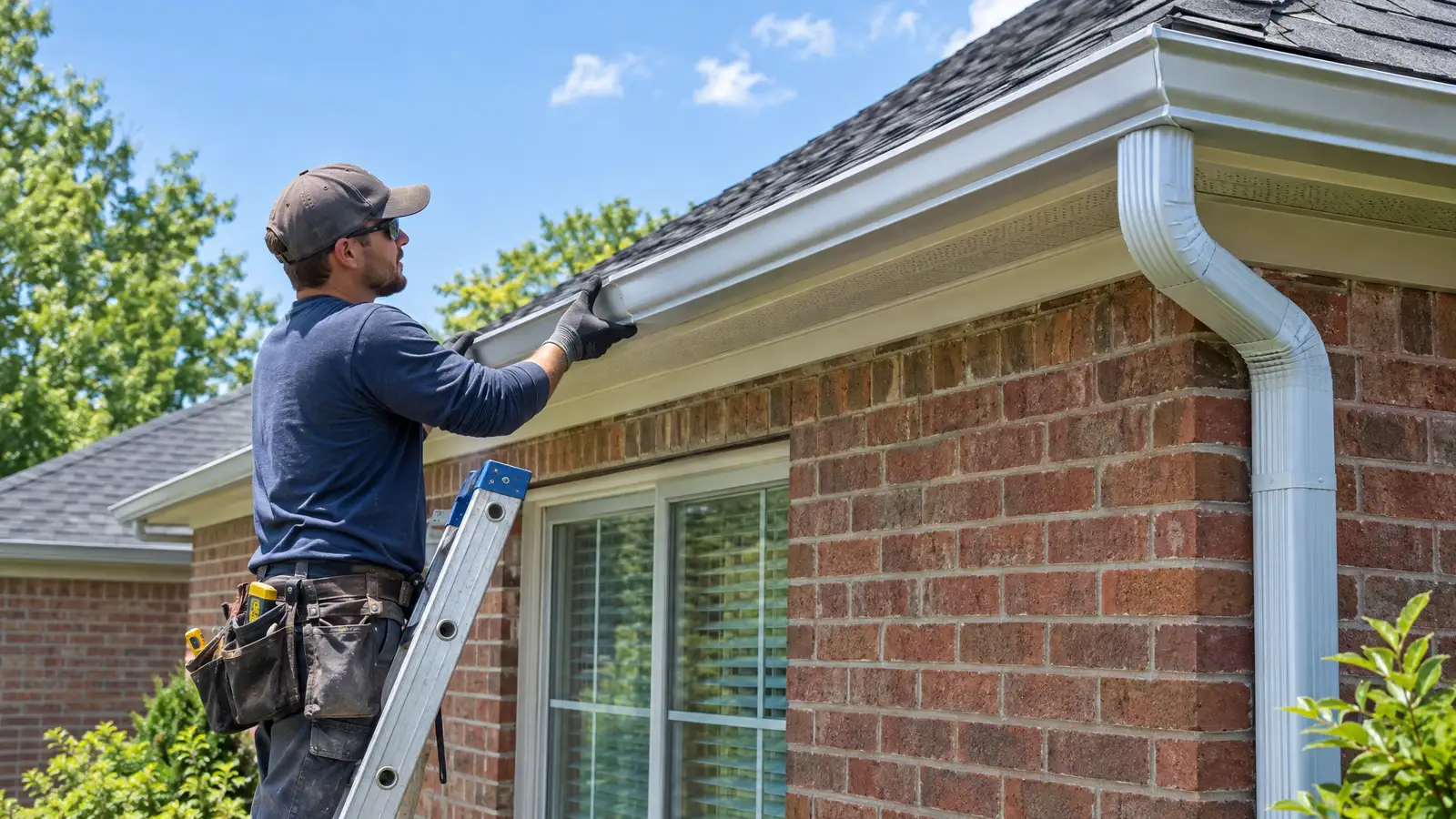
Clear gutters and open downspouts let meltwater leave the roof. Gutter guards can reduce debris, though they need a look too.
Do not chip at ice with sharp tools or climb an icy roof. A roof rake used from the ground can clear snow near the eaves.
Before the first deep freeze
Shut off and drain exterior spigots and irrigation lines. Insulate exposed pipes in crawl spaces and garages.
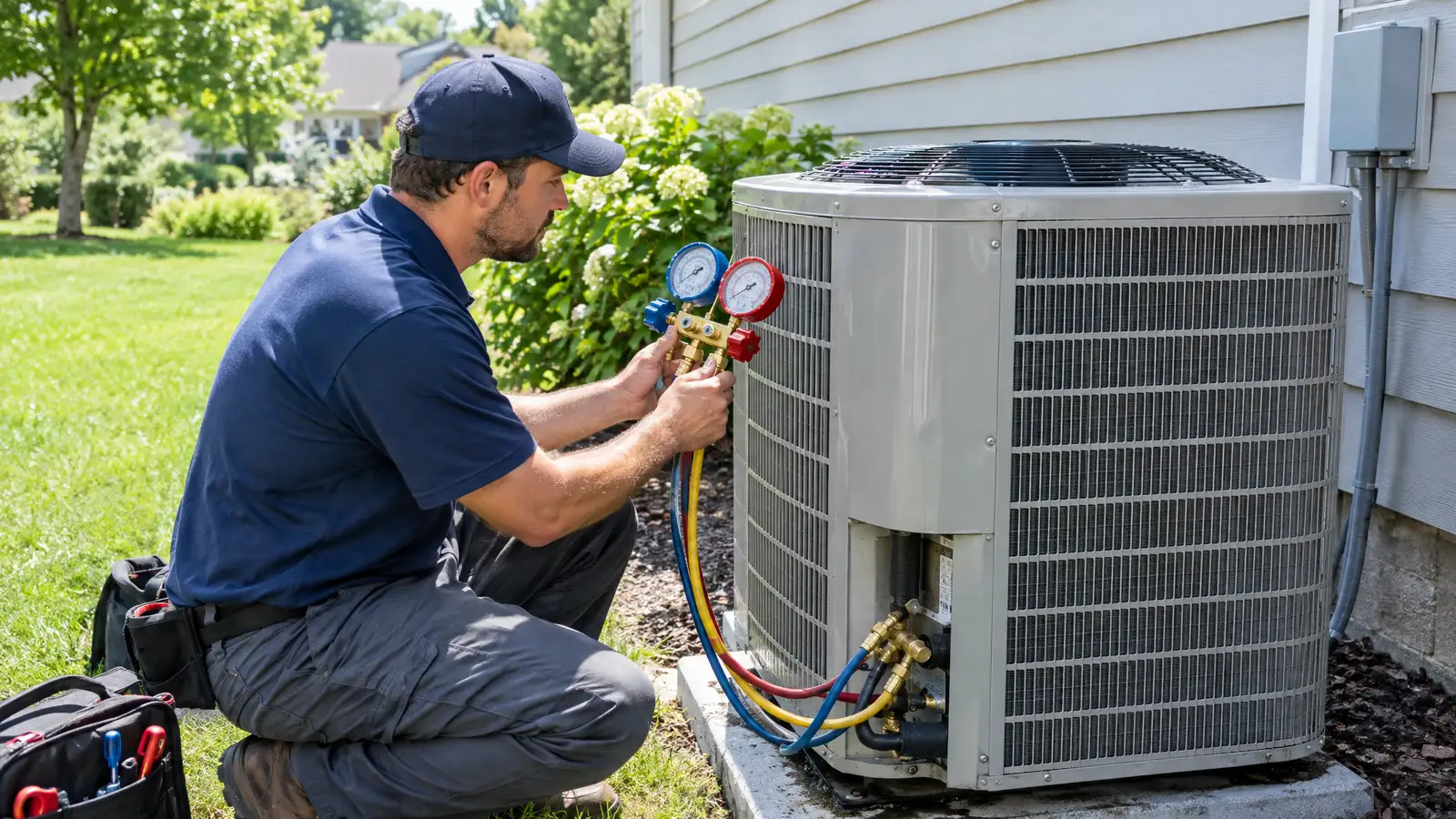
Have the furnace and chimney checked, replace the furnace filter and test smoke and carbon monoxide alarms.
Know where your main water shutoff is.
Who to call
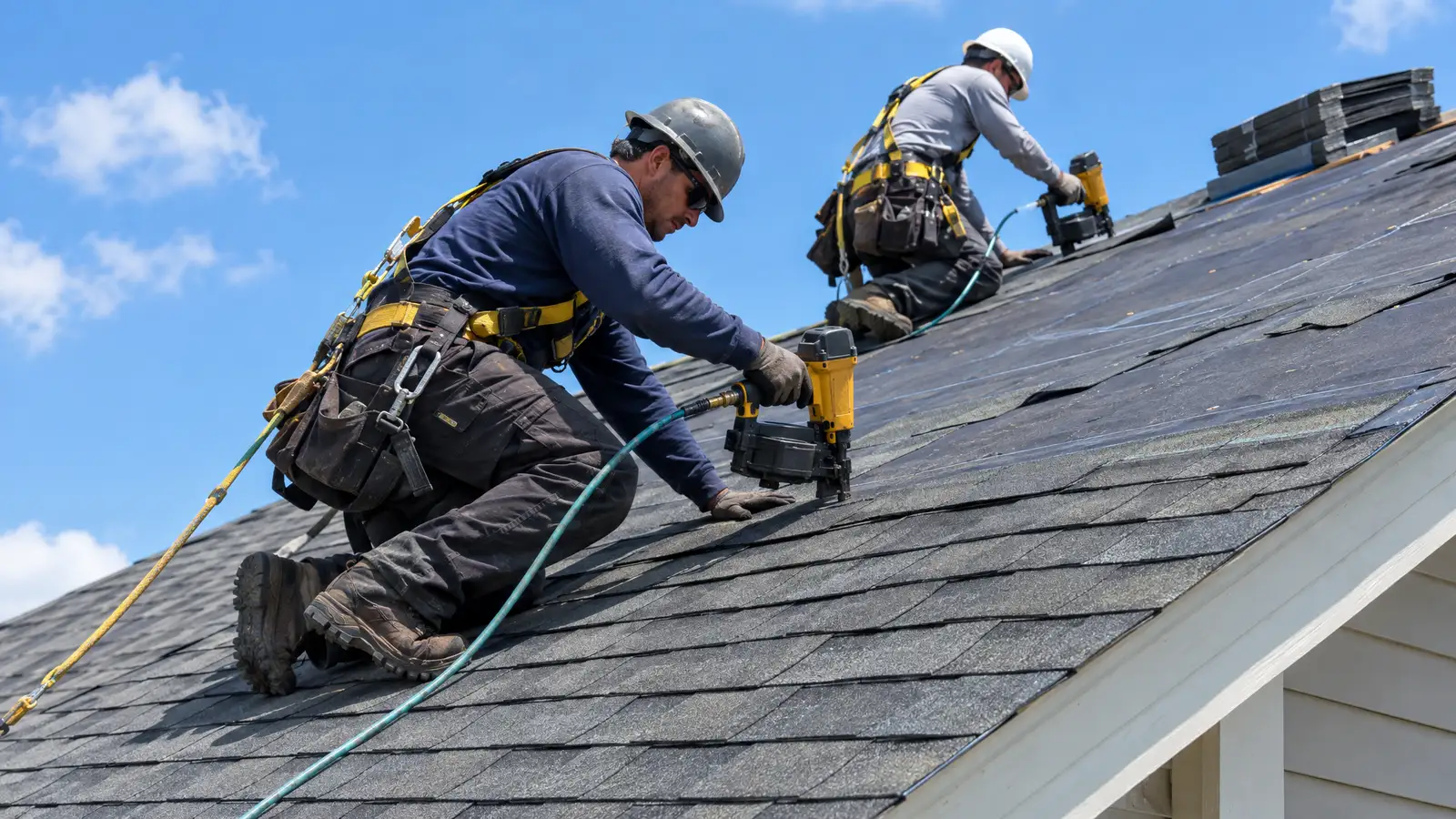
A roofer can look at leaks and damage, an HVAC pro can check heating and airflow, and a gutter pro can clear and repair drainage. Send one request and one expert connects you with the right partner, or call 608-579-0220.